AI-Driven n8n Workflow Backup & Management
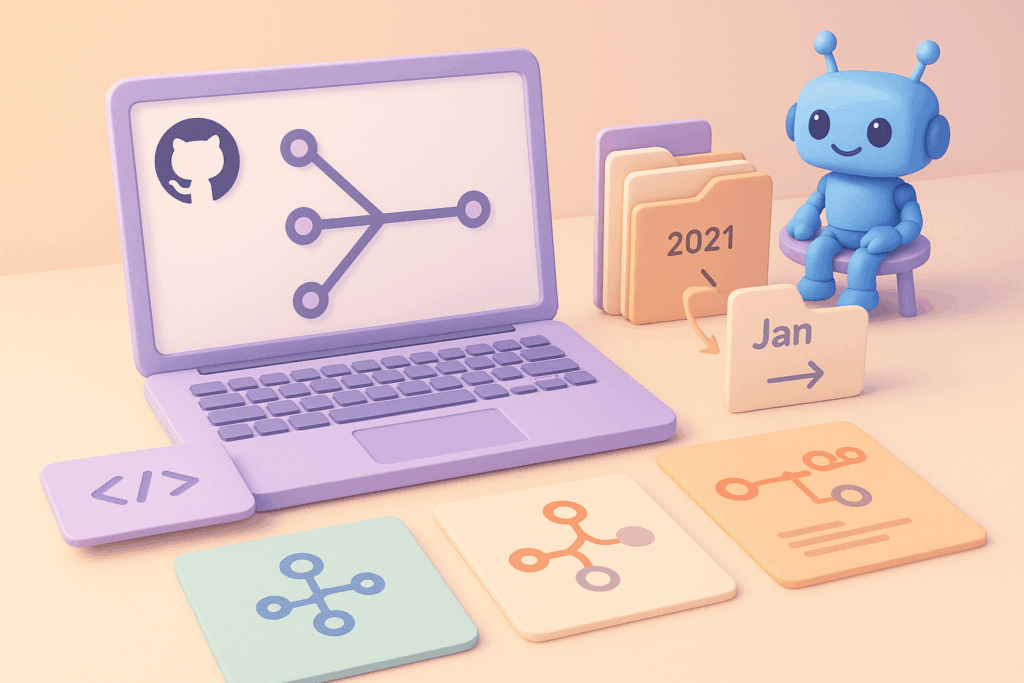
This blog details automating n8n workflow backups to GitHub, focusing on creating version-controlled, organized, and intelligent backups to replace manual, error-prone processes. It covers leveraging and customizing the official n8n backup template by centralizing configurations, using dynamic path expressions for date-based folder organization, implementing precise JSON comparison to avoid unnecessary updates, and adding robust error handling with Slack notifications. The structured backup system improves recovery, change tracking, compliance, and collaboration. Importantly, it sets the foundation for future AI integration, including workflow aggregation into vector databases, semantic embedding, and AI agent queries to enable enhanced analysis, search, and automation generation. The post also shares lessons learned about JSON normalization, error handling, notification value, and file organization strategies that make workflow backup scalable and reliable.
AI-Driven Business Automation Success
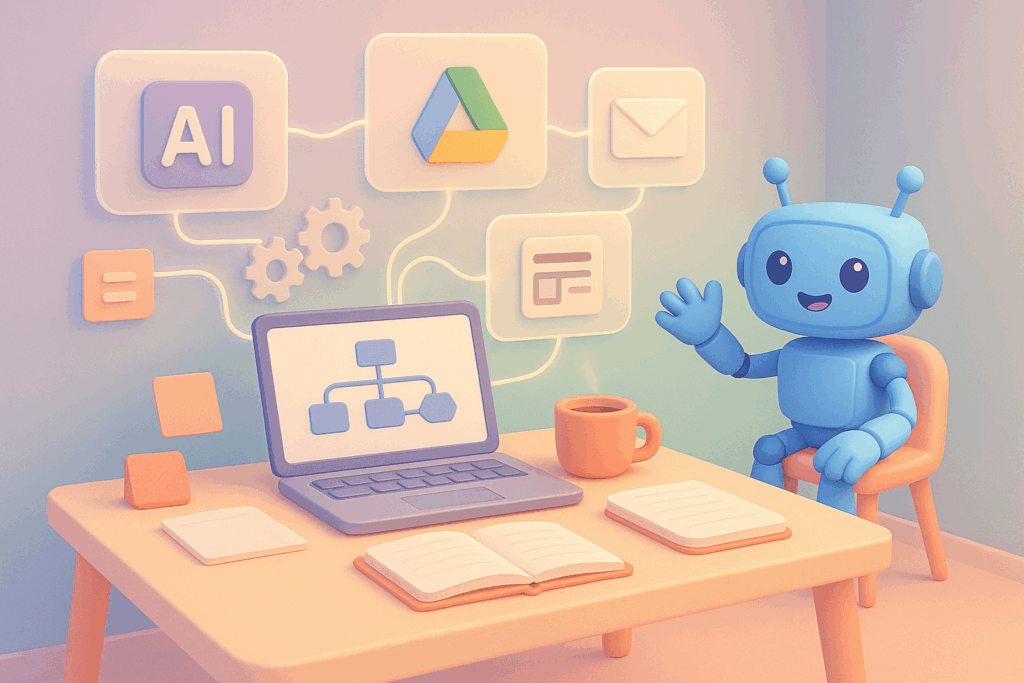
The blog details the author’s development of an AI-powered productivity infrastructure for their own business after building automation for clients. Key implementations include purchasing a company domain and setting up a WordPress site on AWS Lightsail; choosing Google Workspace for company email and document management; creating an AI knowledge base using n8n, Google Drive API, and Claude for natural language querying; building an automated content creation pipeline with Airtable, n8n, and WordPress integration; and automating personalized AI news curation with multi-LLM workflows and subscription management. The author emphasizes starting with foundational infrastructure, leveraging existing systems, automating where possible while retaining human checkpoints, and prioritizing tools that integrate well. Results include significant time savings, streamlined workflows, scalable systems, and greater focus on strategic growth. Upcoming goals focus on ClickUp integration and client-facing productization of these solutions. Challenges encountered involved domain transfer restrictions, WordPress customization limits, and image generation tradeoffs. The post invites community feedback on productivity automation and system integration.