
Claude Code Needed a Home. Archon Gave Me a Security Education Instead.

How setting up a self-hosted AI stack turned into a crash course in Docker networking, zero-trust security, and why simple solutions beat perfect ones There’s this moment when you’re deep into AI development where you realize you’re paying $20/month for Claude Pro, another subscription for API credits, and you’re still hitting rate limits when you […]
I Forked a Repo to Supercharge Claude Code (And Accidentally Learned Zero-Trust Architecture)
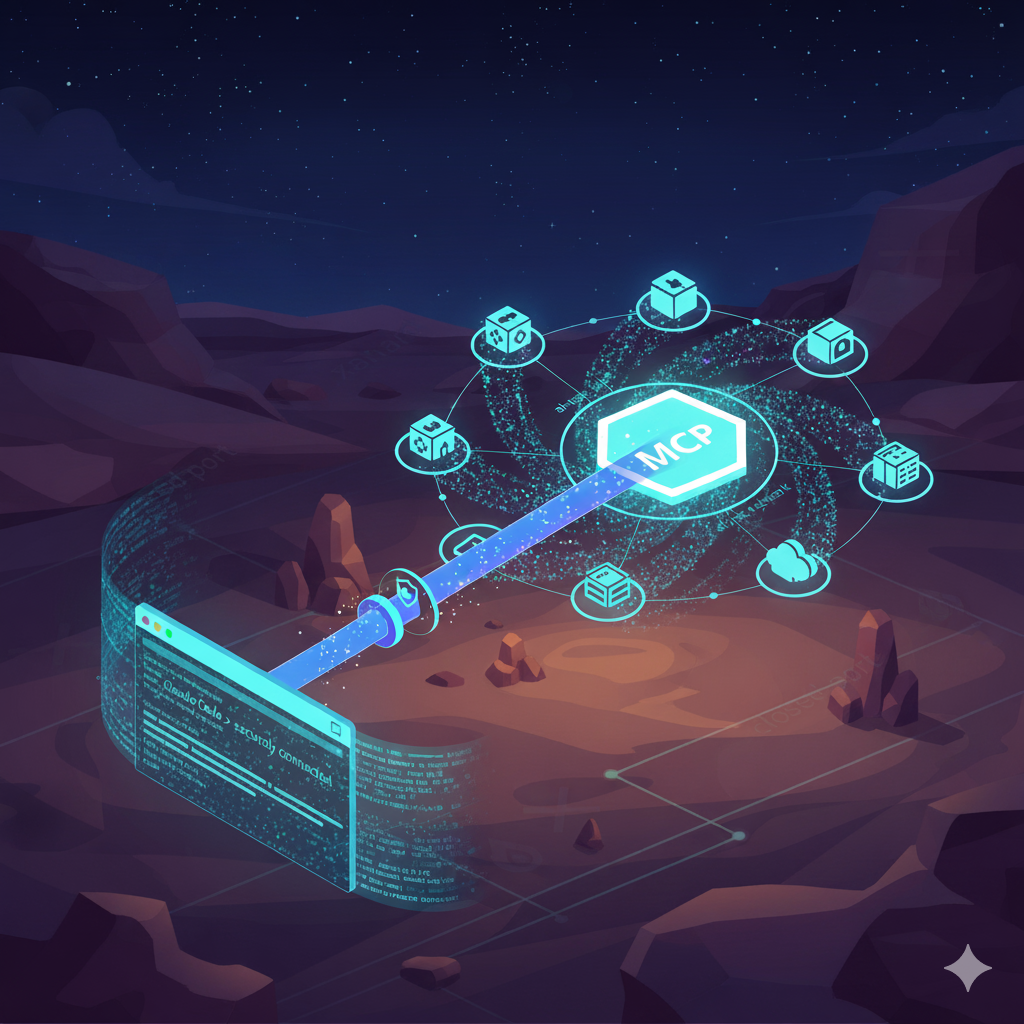
You know that moment when a tool becomes so powerful that the tooling around it becomes the bottleneck? That was me with Claude Code about three weeks ago. Claude Code has gotten ridiculously good. I’m using it for client projects, my own infrastructure work, even for building out complex n8n workflows. But the more powerful […]
From Replit to Docker and Self-hosting: When Simple Becomes Complex
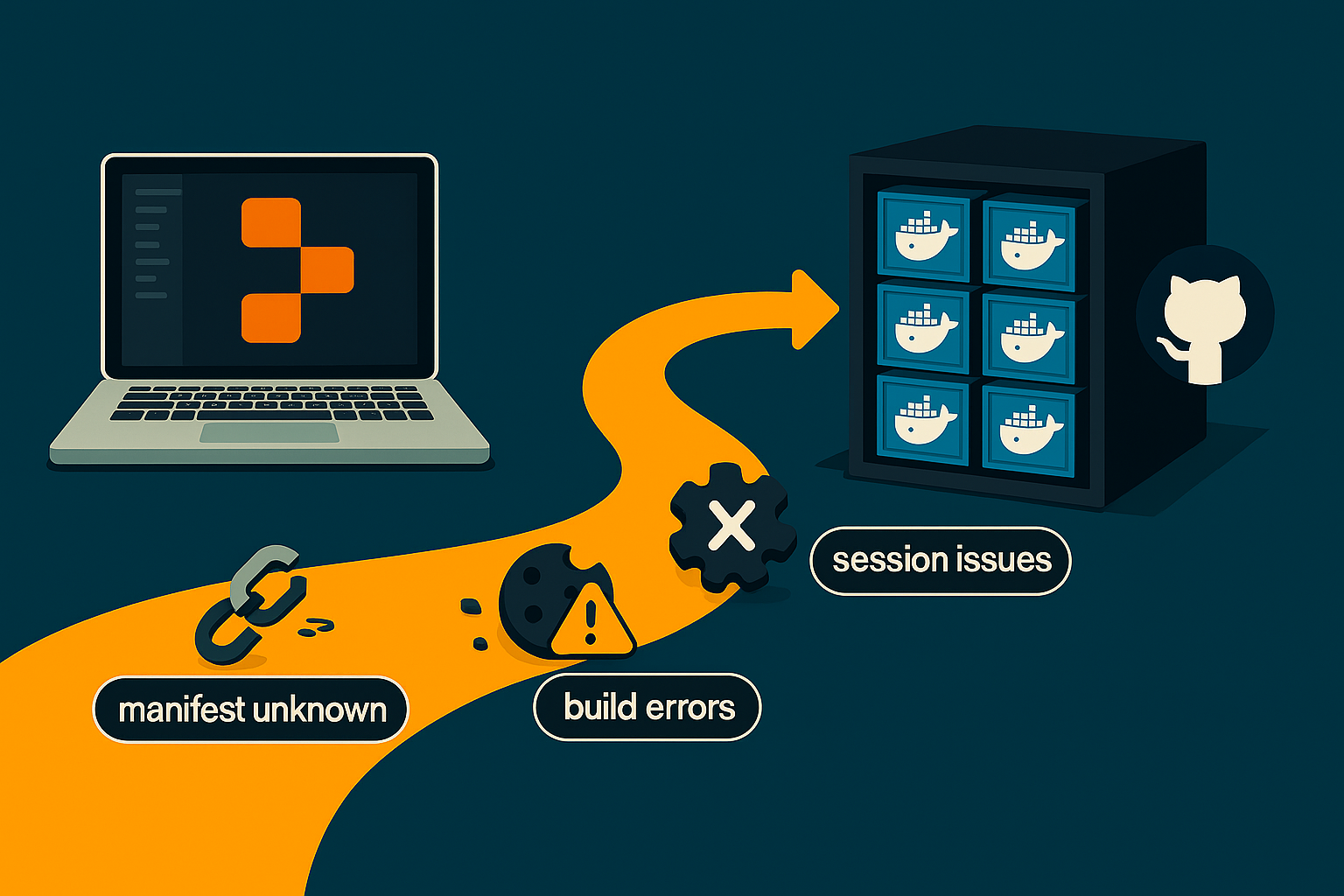
Remember that campaign management system I built to save a client over $300/month by ditching Airtable’s expensive client portal? Well, that story just got a sequel – and like most sequels, it involved way more complexity than I originally anticipated. What started as a simple request to “move it off Replit so we own it” […]
From Self-Hosted Chaos to CI/CD Zen: My DevOps Reality Check
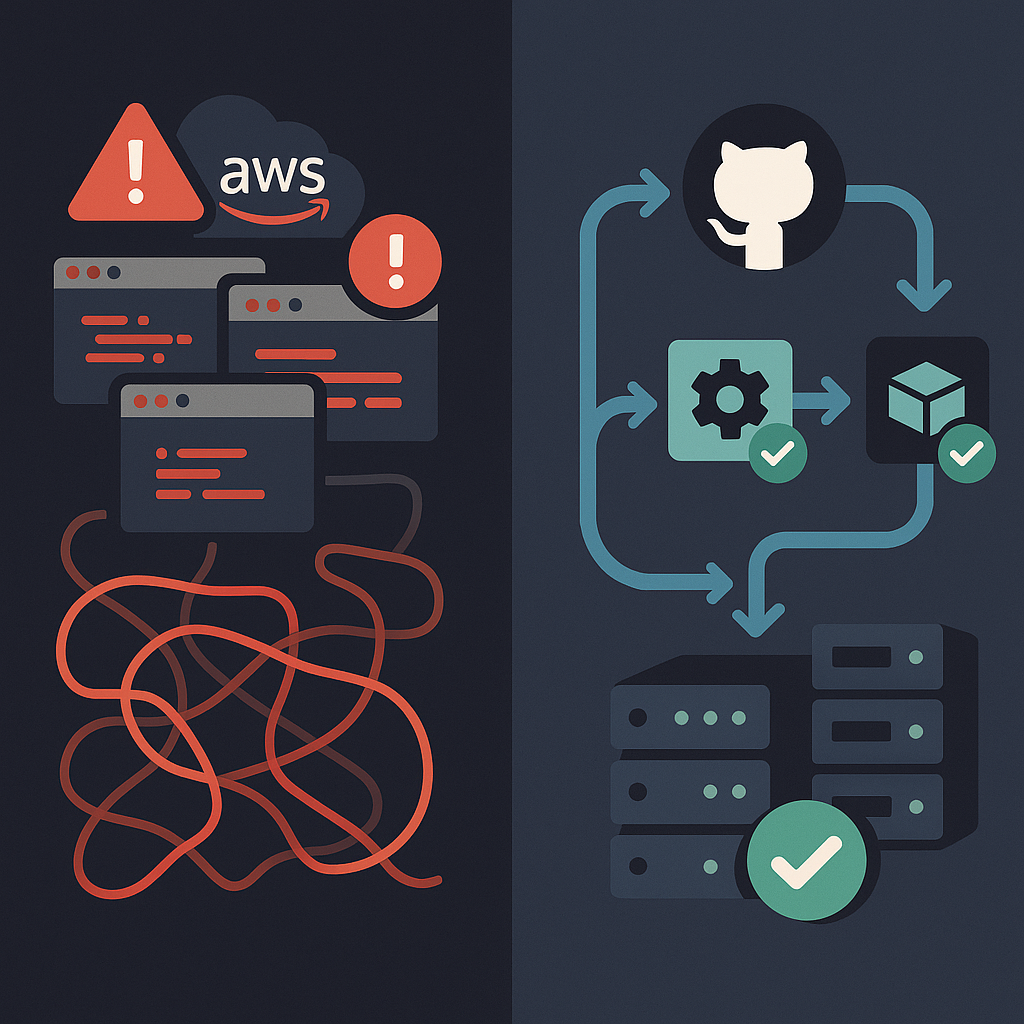
You know that moment when you’re running a perfectly functional self-hosted stack, and you think “This could be better”? Yeah, that was me a few weeks ago. What started as a simple database migration turned into a full-blown DevOps adventure complete with firewall lockouts, authentication failures, and AWS deciding to have a bad day. Here’s […]
Custom AI Chat Hub: Self-Hosting & Automation
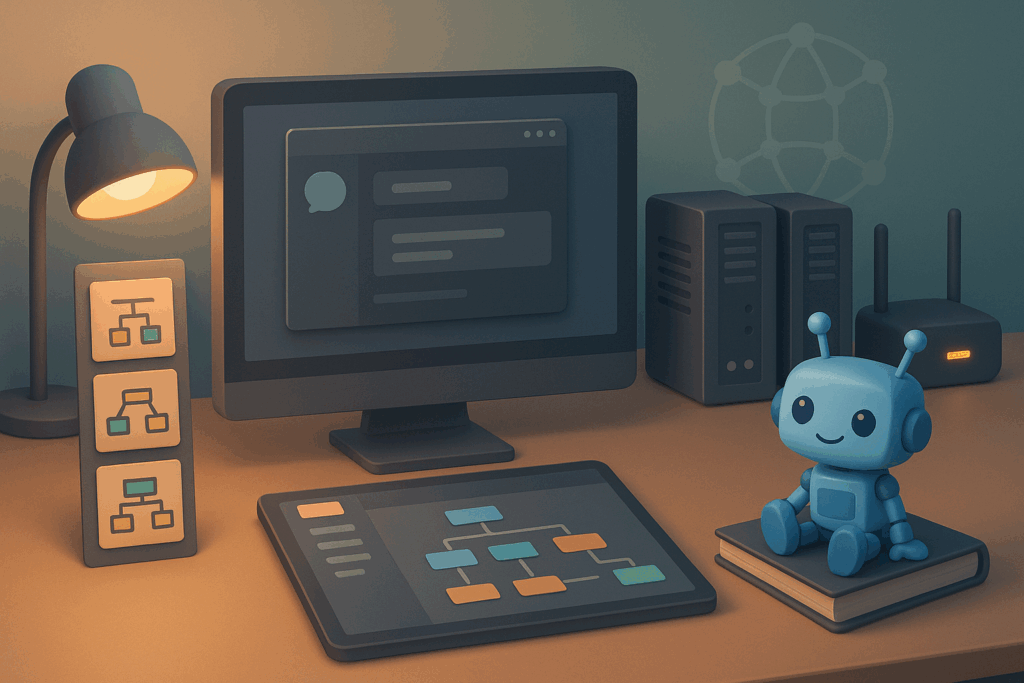
This blog details the creation of a custom AI chat platform integrating Open WebUI with n8n workflow automation, securely exposed via Cloudflare Tunnel. It covers motivations for building a personalized conversational interface over existing options, the choice of core components (Open WebUI for chat UI, n8n for automation, Cloudflare Tunnel for secure access), and the architectural setup using Docker Compose with dedicated networks and persistent volumes. A key highlight is the seamless integration enabling function calls from chat to trigger n8n workflows via webhooks without extra middleware. The blog also discusses DNS and proxy configuration challenges, container-specific nuances, security best practices, and lessons learned during setup. The resulting system offers a flexible, maintainable, and secure AI command center with persistent sessions and natural language automation interaction, primed for future enhancements including local model hosting and expanded API integrations.